 |
|
|
|
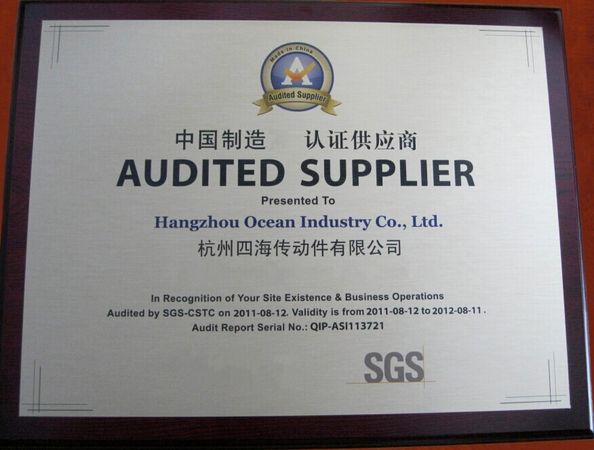
Сертификация

- Оставьте нам сообщение
компания Новости
Коррозия остаточного раствора пассивации в основаниях резьб разъемов жидкостного охлаждения
Коррозия остаточного раствора пассивации в основаниях резьб разъемов жидкостного охлаждения
1. Болевые точки основной отрасли
Металлические разъемы жидкостного охлаждения, широко используемые в серверах жидкостного охлаждения, накопителях энергии и вычислительном оборудовании, имеют тонкую резьбовую структуру. Отрасль сталкивается с типичной проблемой скрытых сбоев:
После пассивации все разъемы проходят визуальный осмотр и испытания на отбор проб в солевом тумане. Однако через несколько месяцев после монтажа из корней резьбы просачивается желто-коричневая ржавая вода, вызывающая каскадные неисправности: загрязнение охлаждающей жидкости, выход из строя уплотнительных прокладок, вызывающий утечку жидкости, заедание резьбы, которую невозможно разобрать, и даже гальваническую коррозию по всему контуру жидкостного охлаждения, что резко снижает общую надежность оборудования.
Многочисленные обзоры отказов подтверждают основную причину: остатки пассивирующего раствора, попавшие в мертвые зоны резьбы, и неполное промывание во время процедур промывки, контролируемая лазейка в управлении процессом.
2. Три основных механизма образования трудносмываемых остатков пассивационной жидкости в мертвых зонах резьбы
Резьба с тонким жидкостным охлаждением имеет зазоры между гребнями, боковыми сторонами и основанием резьбы, ограниченные микроканавками. Пассивирующая жидкость легко задерживается после обработки и не может быть полностью вытеснена обычным промыванием по трем основным причинам:
- Капиллярный эффект улавливания жидкости
Крошечные зазоры в резьбе образуют мениски под действием поверхностного натяжения жидкости, блокируя пассивирующую жидкость у корней резьбы. Поток воды не может прорваться через границу раздела жидкой пленки, создавая естественные «ловушки для капель жидкости» в глухих отверстиях и глубоких резьбах.
- Воздушная пробка, блокирующая обмен жидкости
Во время полоскания микропузырьки воздуха легко попадают в канавки корня резьбы. Эти пузырьки изолируют чистую воду от остаточной жидкости, надолго герметизируя пассивирующий раствор в областях, покрытых пузырьками, без разбавления или замены.
- Недостаточная гидродинамическая сила стандартного полоскания
Простое замачивание или полоскание под душем не создает сильного турбулентного потока, разрушающего внутреннюю часть резьбы. Вода остается почти застойной внутри тонкой глухой резьбы, очищая только внешние поверхности, оставляя остатки жидкости глубоко внутри резьбы.
После промывания на корнях резьбы остается концентрированная пленка жидкости, содержащая коррозийные компоненты. Длительное накопление и постоянная реакция этой остаточной жидкости постепенно разъедают металлическую подложку.
3. Трехстадийная коррозионная эволюция остаточной пассивационной жидкости (высокая скрытность)
Эта коррозия не требует внешних ионов хлорида для продолжения. Он поддерживается исключительно за счет кислотности и ионов металлов в пассивирующей жидкости, даже при использовании деионизированной охлаждающей жидкости высокой чистоты. Ухудшение протекает в три этапа:
- Инкубационный период (от нескольких дней до недель, его легко неправильно оценить)
На корнях нитей появляются легкое желтое изменение цвета и порошкообразные белые осадки. Инспекторы на месте часто ошибочно принимают это за обычную кристаллизацию пассивационной пленки или осаждение солей. На самом деле микропиттинговая коррозия уже началась на подложке, но не видна сквозь слои ржавчины, что делает скрытые дефекты невидимыми при обычных визуальных проверках.
- Период расширения (от недель до месяцев, снижение производительности)
Коррозионные осадки поглощают влагу из окружающего воздуха и охлаждающей жидкости, образуя сплошную проводящую пленку электролита. Концентрированная питтинговая коррозия возникает преимущественно у корней резьбы. Накопление коррозии уменьшает зазор резьбового фитинга, что приводит к затрудненному вращению и повышенному сопротивлению разборке.
- Стадия отказа (месяцы после установки, неисправности на уровне системы)
Массивные коррозионные отложения полностью заклинивают резьбу, делая разъемы неразъемными. Повышенная концентрация ионов металлов и повышенная проводимость в охлаждающей жидкости вызывают гальваническую коррозию разнородных металлических компонентов по всему контуру жидкостного охлаждения, что может привести к выходу из строя всей системы охлаждения.
4. Недорогие решения по оптимизации процессов для массового производства.
Никакой масштабной реконструкции производственной линии не требуется. Риск, связанный со скрытыми остатками жидкости в резьбе, можно устранить за счет оптимизации оснастки, промывки и вспомогательных процессов, совместимых с массовым производством соединителей с жидкостным охлаждением:
- Оптимизированные приспособления для размещения заготовок
Используйте приспособления, удерживающие соединители с резьбой вниз во время пассивации, промывки и слива. Под действием силы тяжести скопившаяся жидкость внутри резьбы уменьшается, что позволяет уменьшить капиллярное удержание.
- Многоступенчатая промывка чистой водой с противоточным переливом
Замените одиночные статические баки для замачивания на 3–4-ступенчатые промывочные баки с противотоком и переливом. Непрерывный поток воды вытесняет остатки жидкости внутри резьбы и постепенно снижает концентрацию пассивирующих химикатов, чтобы избежать вторичного загрязнения.
- Ультразвуковое вспомогательное полоскание
Установите ультразвуковые колебания в резервуарах вторичной промывки. Кавитация разрушает пленки жидкости и воздушные пробки внутри резьбовых зазоров, чтобы принудительно удалить остатки пассивирующей жидкости из мертвых зон.
- Целенаправленная продувка сухим сжатым воздухом
После полоскания и перед сушкой добавьте станцию обдува чистым сухим воздухом под высоким давлением. Направленный поток воздуха выдувает захваченную воду и концентрированную остаточную жидкость из внутренних отверстий и корней резьбы.
- Полнотехнологическое управление процессом с обратной связью
Стандартизируйте весь производственный процесс: предварительное обезжиривание → Активация кислотой → Пассивация → Многоступенчатая ультразвуковая промывка → Целенаправленная продувка воздухом → Сушка при постоянной температуре → Специализированный контроль готовой продукции. Избегайте отсутствия контроля над каким-либо отдельным этапом процедуры.
5. Основные рекомендации по контролю качества для индустрии жидкостного охлаждения
- Эффективность пассивации нельзя оценивать исключительно по внешнему виду в автономном режиме и кратковременным испытаниям в солевом тумане. Остатки мертвой зоны резьбы вызывают отложенные отказы, которые невозможно обнаружить при кратковременных лабораторных испытаниях.
- Промывка является последним важным барьером против коррозии остаточной жидкости. Необходимо применять стандартизированные приспособления, оборудование и процедуры, а не полагаться на осведомленность оператора вручную.
-
Время Pub : 2026-07-03 09:13:58 >> список новостей
Контактная информация
Hangzhou Ocean Industry Co.,Ltd
Контактное лицо: Mrs. Lily Mao
Телефон: 008613588811830
Факс: 86-571-88844378